Spider Lily in Anime & Pop Culture: Why Higanbana Shows Up So Often
Published on March 23, 2026By SusycidIf you’ve watched enough anime, you’ve probably felt this without anyone saying it out loud:
A scene gets quiet. The air turns “thin.” And then—red spider lilies.
No explanation. No narration. Just the flower.
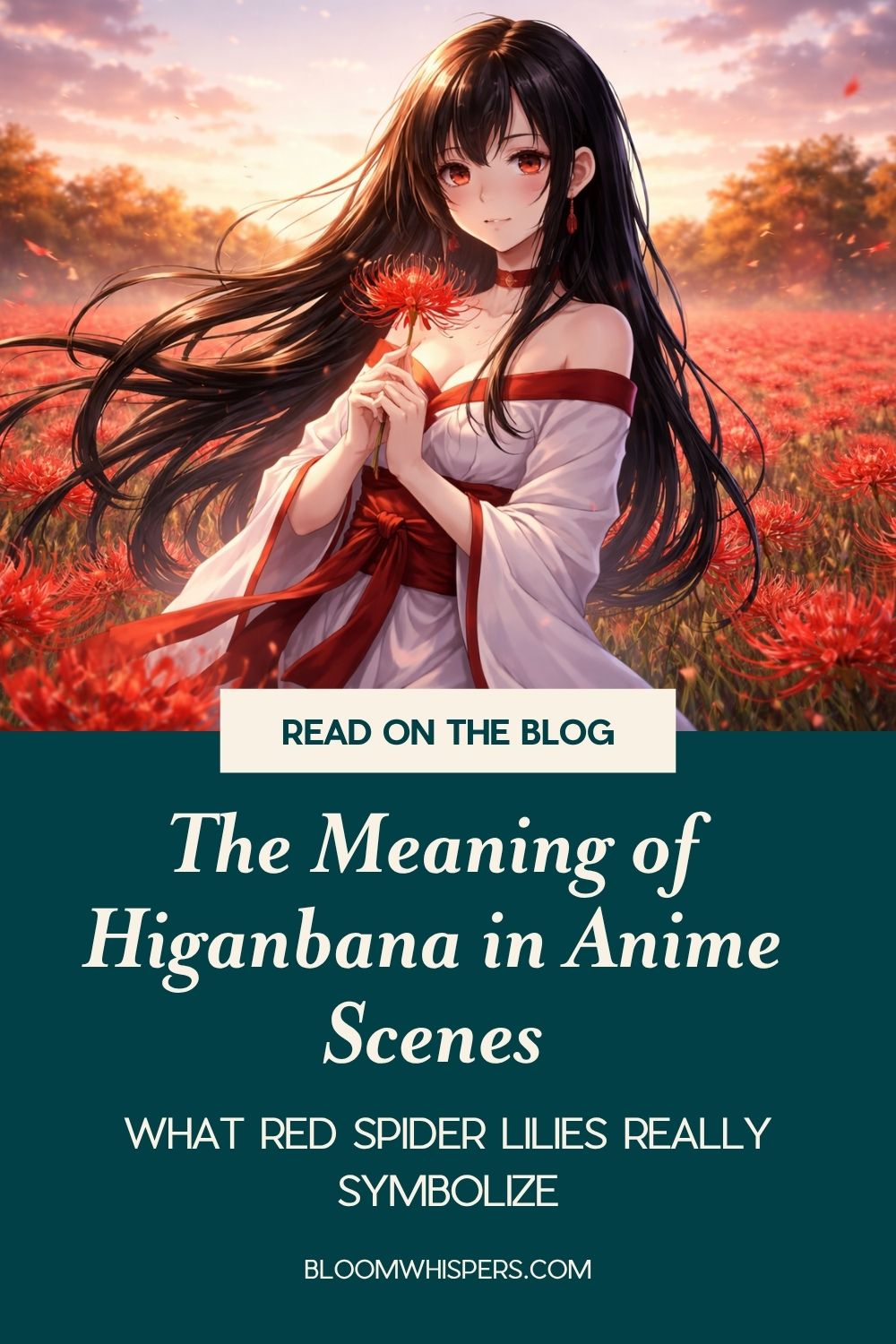
Spider lily in anime usually works as a quiet visual signal that something is shifting emotionally, spiritually, or narratively.
The one takeaway
Anime uses higanbana (red spider lily) because it’s a visual shortcut for “a threshold moment.” It quietly signals crossings—between seasons, between worlds, between who a character was and who they’re becoming.

3 quick things to know (so the symbolism actually makes sense)
- In Japan, the red spider lily is commonly called higanbana—“the flower of Higan,” the equinox observance.
- Ohigan/Higan is tied to the idea of “the other shore” (a Buddhist metaphor for what’s beyond ordinary life).
- A lot of anime symbolism is pattern-based, not rule-based: creators use higanbana because it works visually and culturally, not because every single scene has one official meaning.
Which “spider lily” are we talking about?
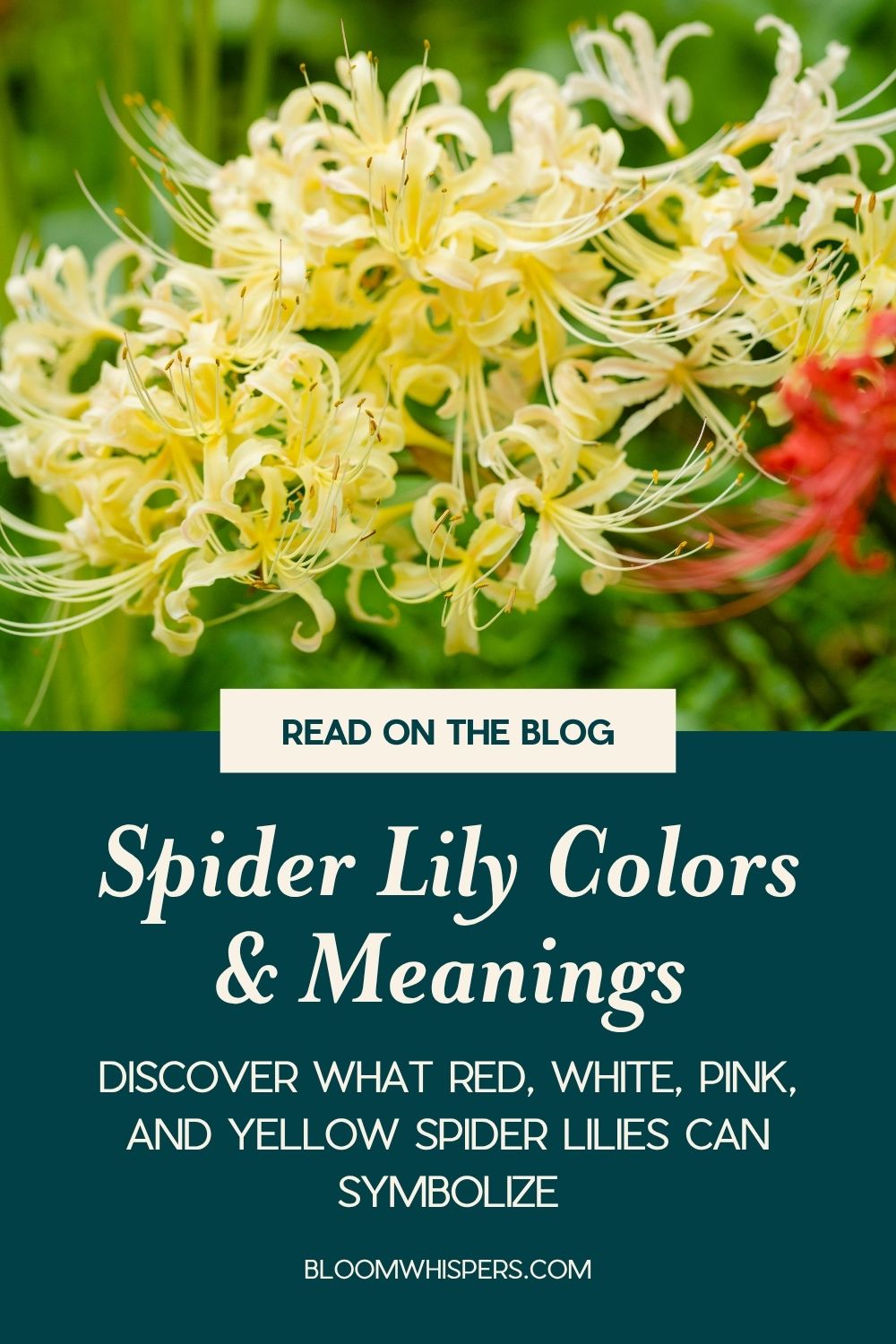
When anime is going for that loaded, iconic vibe, it’s usually the red spider lily—Lycoris radiata (the one tied to higanbana / equinox season in Japan).
This matters because “spider lily” is a nickname that can refer to more than one plant in English. But anime symbolism most often points back to the Japanese higanbana context.
Why Spider Lily works so well on screen
1) It’s recognizable in one second
The silhouette is pure drama: spidery filaments, sharp petals, a burst of red. It reads instantly—even as a quick cutaway.
2) It carries “calendar meaning.”
Because higanbana is associated with the equinox/Ohigan season, it brings a built-in feeling of turning point—a moment the story wants you to feel, not just understand.
3) It belongs to “edge places.”
Creators often place it where stories love to place boundaries: roadsides, fields, gates, riverbanks, graveyards, and empty paths. Even if you don’t know the cultural context, your brain reads it as: this is not a normal moment.

What Spider Lily in Anime Usually Signals
Not as a strict rule—more like a common storytelling language:
- A goodbye (finality, separation, “we don’t come back the same”)
- A crossing (life/death themes, the “other side,” spiritual boundaries)
- A warning (something beautiful but unsafe; something meant to be left alone)
- A memory marker (grief, nostalgia, regret, the past catching up)
👉 If you love flowers with deep symbolism, you might also enjoy this post on the meaning of the lotus flower.
If you want a simple way to say it:
Higanbana is often the flower version of a soft alarm bell.
Demon Slayer: the “Blue Spider Lily” twist
Now—Demon Slayer does something really smart.
Instead of using the real-world red higanbana directly as a background symbol, it takes the idea of “higanbana” and turns it into a plot obsession: the Blue Spider Lily (aoi higanbana).
In the story, the Blue Spider Lily is tied to the medicine connected to Muzan’s transformation and becomes the rare, almost-mythic thing he’s chasing.
Why that matters for your pop-culture post:
- The name still carries that “higan / other shore” flavor.
- But the blue version signals “unnatural rarity”—something that feels just out of reach, like a cure that becomes a curse.
So if you’re writing this section, you can frame it like:
Demon Slayer uses spider lily symbolism as a story engine—not just a vibe.

A few other places, fans recognize the motif
If you want to sprinkle quick examples (and later expand into a dedicated “scene list” post), these are commonly pointed out:
- InuYasha ending visuals (“My Will”) include red spider lily imagery in the montage.
- Hell Girl (Jigoku Shoujo) fans often connect the series’ imagery and terminology to higanbana’s “other shore” vibe (you’ll see it referenced in fan glossaries for the show).
(If you want, we can build a clean, spoiler-light “Where it appears / what it signals” list with stronger sources, one show at a time.)
How to “read” the spider lily when you see it
Next time it shows up, ask three questions:
- Where is it placed? (edge of a path, a gate, water, graves, borders?)
- What just happened? (a decision, a revelation, a loss, a return?)
- What does the scene feel like? (tender, eerie, nostalgic, final?)
In conclusion Spider lily in anime tends to show up when a story wants you to feel that something has shifted, even before the characters say it out loud. It can hint at grief, a farewell, a crossing, or simply that someone is standing at the edge of change. That’s part of why the flower works so well on screen: it adds emotional weight fast, without needing a lot of explanation.
Most of the time, the flower is doing one job:
marking a moment that changes the character’s direction.


- References:
Lycoris radiata — Missouri Botanical Garden
https://www.missouribotanicalgarden.org/PlantFinder/PlantFinderDetails.aspx?kempercode=c535 - Meaning of Higan — Higashi Honganji USA
https://higashihonganjiusa.org/2018/05/15/meaning-of-higan/

I’m Susy, a Pinterest strategist helping content creators and specialty brands build long-term traffic and sales — without burning out.
Learn more