In today’s episode, we’re delving into the captivating realm of “The Healing Power of Flowers” with Amelia South, an herbalist, organic farmer, and self-taught forager. Amelia’s passion lies in empowering individuals with the wisdom to heal themselves using nature’s gifts. Before we begin, it’s important to note that the content shared here is for informational purposes only and should not be considered medical advice. Always consult a healthcare professional for any medical concerns. Now, let’s embark on this enchanting journey into the world of medicinal flowers.
Chamomile Health Effects: The Soothing Bloom
During our discussion, Amelia delved into the serene world of chamomile, showcasing its benefits that extend well beyond the soothing cup of tea.
She shared insights into chamomile’s efficacy in enhancing sleep quality and its gentle impact on digestive health, offering relief from the discomforts of colic in infants to digestive ailments in adults.
What is chamomile good for?
As Amelia pointed out, chamomile’s gentle nature makes it particularly special. Even in its most potent forms, chamomile maintains a safety profile that makes it suitable for all ages, making it a go-to remedy for various ailments, from skin irritations to minor cuts and bruises.
According to Amelia, these are some of the healing properties of chamomile tea.
- Soothing and Relaxing: Chamomile acts as a mild sedative, making it effective for promoting relaxation and improving sleep quality.
- Digestive Health: It’s beneficial for the digestive tract, acting as a relaxant and helping to reduce inflammation. This makes it useful for conditions like colic in babies and various digestive issues in adults.
- Skin Health: Chamomile can be applied topically to soothe skin irritations and inflammations. It’s also mentioned as an ingredient in a gut-healing tea, highlighting its internal soothing properties.
- Eye Care: It can be used as an eye wash to help with conditions like pink eye or general eye irritation.
How to Harness the Soothing Benefits of Chamomile
To tap into the soothing powers of chamomile, as highlighted by Amelia, consider these insights:
- Brewing Method: For a potent therapeutic effect, steep chamomile tea using more than one tea bag or for an extended period, around 20-30 minutes, to draw out its full essence.
- Digestive Comfort: Chamomile tea can be a gentle remedy for digestive discomfort, including infant colic. For babies, mild tea can be given carefully with a dropper.
- Skin Applications: To alleviate skin issues like inflammation or rashes, apply chamomile directly to the skin. This can be done as a tea compress or an infused oil.
- Soothing Eye Treatment: A cool chamomile tea compress can relieve eye irritation and conditions like conjunctivitis.
- Sweeteners: While honey can enhance chamomile tea’s flavor and contribute additional benefits, Amelia advises against incorporating white sugar, as it may negate the anti-inflammatory effects of the herb.
Roses: The Heart’s Remedy
Roses surpass their visual charm, offering deep emotional healing, particularly for the heart. In our conversation with herbalist Amelia, we explore roses’ healing properties as more than just ornamental. She shares insights on crafting rose elixirs that soothe emotional wounds, acting as a comforting balm during times of sorrow. With their vitamin C-rich rose hips, roses also provide nutritional benefits, showcasing their versatility beyond beauty. This section delves into roses’ multifaceted healing properties, guiding readers on integrating this classic bloom into their wellness routines.
Exploring the Properties of Roses: From Emotional Solace to Immune Boosting
- Roses have astringent properties useful for tightening and toning tissues, aiding in digestive issues like diarrhea.
- Rose petals offer emotional healing benefits, particularly effective for soothing heartache and easing feelings of sadness or loneliness, often used in rose elixirs.
- Rose hips are highly rich in vitamin C, exceeding the concentration found in oranges. This makes them valuable for supporting the immune system and skin health.
- Fresh rose hips provide the highest vitamin C content, which is beneficial when eaten raw or used in teas and syrups.
- Rose-infused skincare products, such as rose hip seed oil, are prominent in anti-aging remedies due to their vitamin C content, crucial for collagen production and effective in wound healing.
What Are the Benefits & Uses of Rose Hips?
High Vitamin C Content: Rose hips are extremely rich in vitamin C, surpassing many fruits, including oranges. This high vitamin C content makes them beneficial for boosting the immune system and maintaining healthy skin.
Making Syrups: During World War II, when citrus fruits were scarce, rose hips were used to make syrup as a vitamin C supplement for children.
Candied Rose Hips: Larger rose hips can be candied by boiling in sugar water and then rolling in sugar, making a delicious treat.
Cough Syrup: Boiling rose hips in water to extract the vitamin C and then mixing it with sugar or honey can create a syrup useful for treating coughs and boosting vitamin C intake during winter.
⚠️ Alert: Important Warnings for Rose Use ⚠️
Avoid Florist Roses: Roses obtained from florists or grocery stores should not be used for making tea or any medicinal purposes as they are often covered in pesticides.
Pesticide Concerns: When using roses medicinally or consuming them, it’s crucial to ensure they haven’t been sprayed with harmful chemicals.
Handling Rose Hips: When consuming rose hips, particularly the larger varieties, Amelia advises removing the seeds and the tiny hairs around them because they can be very irritating to the throat and digestive system. These hairs were historically used to make itching powder.
Amelia’s Rose Elixir for Emotional Healing
Ingredients:
Rose hips
Rose petals
Honey
Brandy
- Gather fresh rose hips and petals, preferably from wild or home-grown roses to avoid pesticides.
- Mix rose hips and petals with a generous amount of honey in a jar, ensuring the floral elements are well-covered.
- Pour brandy over the mixture until fully submerged, adjusting the brandy and honey ratio to taste.
- Securely close the jar and give it a good shake to mix all the ingredients thoroughly.
- Let the mixture sit for an extended period, ideally a year, shaking occasionally to keep the ingredients well integrated.
- Strain the elixir, discarding the solids and keeping the liquid.
- Use the elixir by placing a few drops on your tongue or under it, particularly during times of heartache or emotional distress, for a soothing and heartwarming effect.
Violets: Gentle Lymphatic Healers
Discover the hidden powers of the modest Violata Odorata beyond its beauty and symbolism. These blooms excel in cleansing the lymphatic system, offering a natural solution to enhancing well-being. Delve into the essence of violets as they reveal their role in health and healing, proving that sometimes, the most unassuming flowers hold the most potent powers.
Exploring the Healing Properties of Violets: Nature’s Gentle Detoxifiers
- Lymphatic Cleansing: Violets are particularly beneficial for the lymphatic system, helping to stimulate the flow of lymph and aiding in the removal of bodily toxins.
- Cooling and Moistening: These flowers offer cooling and moistening properties, soothing both external and internal tissues.
- Versatile Use: Violets can be used in various forms such as teas, tinctures, or even added to culinary dishes, making them a versatile choice for incorporating into a wellness routine.
- Accessible Healing: Found widely in nature, violets are accessible to many, offering their gentle healing benefits without the need for extensive gardening or foraging expertise
Considerations for Using Violets
Based on Amelia’s insights, here are some considerations for using violets:
Harvesting Time: Violets are best harvested in spring, around April to May, when their vibrant flowers are in full bloom.
Location: When foraging violets, avoid areas where dogs might have urinated or defecated to ensure cleanliness and safety. Opt for damp, shaded areas where violets thrive, such as the edges of forests or mossy areas.
Pesticide-Free Zones: Ensure the violets are sourced from locations free from pesticides to maintain their natural healing properties.
Consumption: While violet flowers and leaves are edible and medicinal, the roots must be handled with caution. Some parts beneath the soil may not be as pleasant to taste or may require further research for safe use.
Calendula: Nature’s Skin Soother
Calendula, scientifically known as Calendula officinalis, is a versatile herb with a vibrant appearance resembling a daisy. Renowned for its skin-soothing properties, Calendula is a go-to remedy for various skin conditions, from diaper rash in infants to eczema and psoriasis in adults. It also aids in digestive health when consumed as a tea. Easy to grow and harvest, Calendula offers a convenient and effective solution for addressing skin irritations and promoting overall well-being.
Here’s a closer look at some key aspects of calendula:
Edible Petals: Beyond its medicinal properties, calendula offers edible petals that can enhance the visual appeal and nutritional value of culinary creations. Whether sprinkled atop salads or incorporated into various dishes, calendula petals provide a vibrant touch of color and potential health benefits.
Easy Cultivation: Calendula’s reputation for ease of cultivation makes it accessible to individuals interested in growing their own herbal remedies. With its resilience and adaptability, calendula thrives in a variety of environments, making it a welcome addition to home gardens and outdoor spaces.
Availability: While cultivating calendula is an option, dried calendula flower heads can also be sourced from reputable herbal suppliers online. This accessibility ensures that individuals can harness the benefits of calendula, even if they lack the means or space for cultivation.
Distinct Appearance: Recognizable by its daisy-like appearance and vibrant orange or yellow petals, calendula adds a burst of color to any garden or herbal collection. Its distinct appearance not only makes it visually appealing but also aids in its recognition and identification.
What Are the Healing Properties of Calendula?
Calendula, as highlighted by guest expert Amelia, offers a diverse range of healing properties, making it a valuable addition to natural medicine and skincare routines:
- Anti-Inflammatory Effects: With its potent anti-inflammatory properties, calendula helps reduce inflammation in the skin, making it beneficial for soothing redness, swelling, and irritation associated with various skin conditions.
- Soothes Skin Conditions: Calendula’s ability to soothe and alleviate various skin ailments, including diaper rash and eczema. Its gentle yet effective nature makes it a preferred choice for soothing irritated and inflamed skin.
- Promotes Wound Healing: Calendula’s regenerative properties accelerate the wound healing process. It aids in the formation of new tissue and helps protect the wound from infection, promoting faster healing and minimizing scarring.
Considerations for Using Calendula:
- Skin Sensitivity: Check for skin sensitivity before widespread use.
- Quality and Sourcing: Choose high-quality, organic products from reputable sources.
- Dosage and Application: Follow recommended dosages for internal use and proper application for topical use.
- Consultation: Before use, consult a healthcare professional, especially if you have medical conditions, are pregnant, or are breastfeeding.
Bee Balm: The Respiratory Reliever
People celebrate bee balm, scientifically known as Monarda fistulosa, for its properties that relieve respiratory issues. Belonging to the Lamiaceae family, bee balm shares similarities with mint and thyme and offers a wealth of benefits for respiratory health. Its edible petals make a delightful tea, particularly effective in combating coughs, colds, and flu symptoms. Discover the therapeutic potential of bee balm in promoting clearer breathing and overall respiratory wellness.
What Are the Healing Properties of Bee Balm?
Amelia highlights several healing properties of bee balm that contribute to its effectiveness in promoting respiratory wellness:
- Antispasmodic Effects: Bee balm exhibits antispasmodic properties, making it particularly effective in soothing coughs, flu symptoms, and sinus congestion. By helping to relax the muscles of the respiratory tract, bee balm can alleviate coughing fits and promote easier breathing, providing relief during periods of respiratory distress.
- Respiratory Support: Similar to plants like thyme and mint, bee balm is renowned for its ability to clear sinus congestion and promote respiratory health. Whether consumed as a tea or used in steam inhalation, bee balm can help alleviate nasal congestion, expel mucus, and soothe irritated respiratory passages, making it a valuable ally during cold and flu season.
- Sinus Relief: Bee balm’s inclusion in steam inhalation or sinus washes can provide targeted relief for sinus congestion. When added to hot water and inhaled as steam or used as a nasal rinse, bee balm’s volatile oils can help break up mucus, reduce inflammation, and alleviate discomfort associated with sinus congestion, offering welcome relief for individuals experiencing sinus-related symptoms.
Tips for Using Bee Balm Effectively:
According to Amelia, here are some tips for using bee balm effectively:
Harvesting Timing: It’s advisable to harvest bee balm flowers or leaves before they fully open to avoid susceptibility to mold, particularly in humid conditions. This ensures optimal quality and efficacy of the harvested plant material for medicinal use.
Preparation Methods: Bee balm can be prepared in various ways, such as making a strong tea or incorporating it into steam inhalation or sinus washes. These methods maximize the absorption of bee balm’s beneficial properties and provide targeted relief for respiratory issues.
Combination with Other Herbs: Bee balm can be combined with other herbs like thyme, oregano, or chamomile to create custom herbal blends tailored to specific health needs. For example, combining bee balm with chamomile can yield a relaxing tea ideal for unwinding in the afternoon.
Caution with Nasal Sprays: Amelia advises against using nasal sprays for sinus congestion, emphasizing the potentially addictive nature of such products and the importance of seeking alternative remedies like steam inhalation or sinus washes using bee balm.
Connect with Amelia South: A Gateway to Herbal Wisdom
Delve into the world of herbal wisdom with Amelia South. Explore her diverse offerings to enrich your knowledge and connection with nature’s healing powers.
Explore Amelia’s Offerings:
- Online Courses: Engage in comprehensive online courses offered by Amelia to deepen your understanding of herbal remedies and holistic healing practices.
- Online Shop: Browse through Amelia’s curated selection of herbal products, including remedies and supplements crafted with care and expertise.
- Black Sun Farm: Connect with Amelia’s farm in Connecticut, where she cultivates medicinal herbs and imparts hands-on learning experiences.
Follow Amelia on Social Media:
TikTok: @theoriginalmealchan
Facebook: Black Sun Farm CT
Instagram: @blacksunfarm
Conclusion
As we conclude our exploration of the healing power of flowers with Amelia, we’re reminded of the profound connection between nature and our well-being. While the information shared here serves as a guide for educational purposes, qualified healthcare professionals should be consulted for personalized medical advice.
I have to admit that I was surprised to learn that some of these flowers are not only beautiful but can also be healing. So, I’d be curious to know if it is just me. Were you surprised by any of the flowers mentioned in the show? Let us know on our social media or in the comments below.
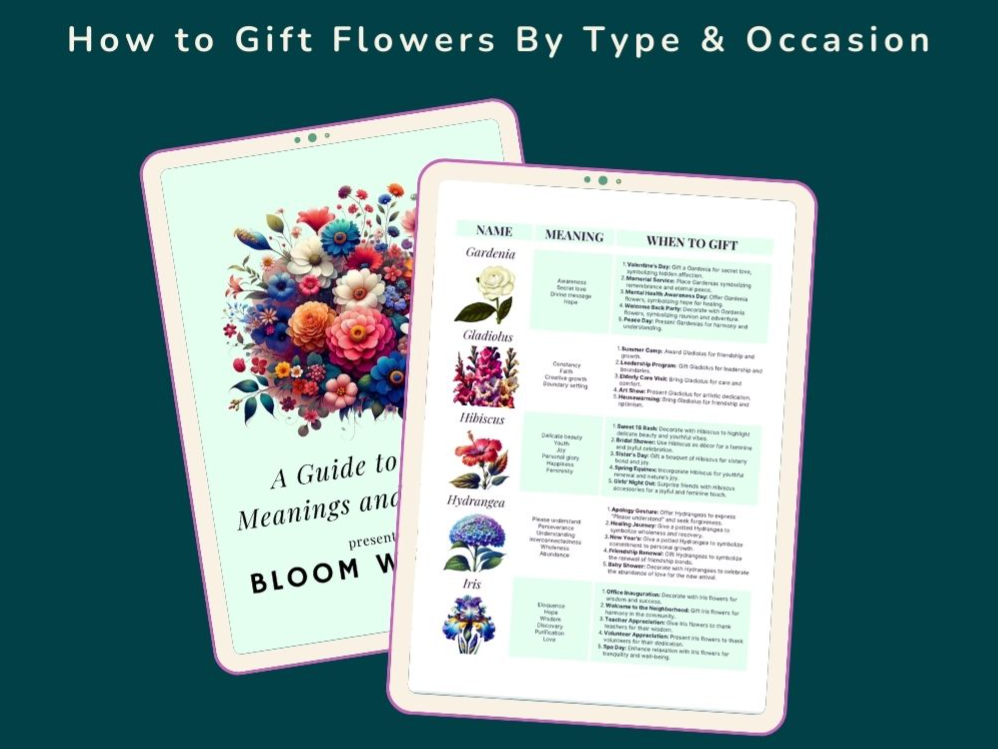
If you want to learn more about the Meaning of Flowers, download our guide, which is your go-to resource for heartfelt floral gifts. Easily find flower meanings and perfect gifting occasions. Whether you’re new to flower gifting or a seasoned enthusiast, this guide elevates your floral gestures with depth and thoughtfulness.

I’m Susy, a Pinterest strategist helping content creators and specialty brands build long-term traffic and sales — without burning out.
Learn more